
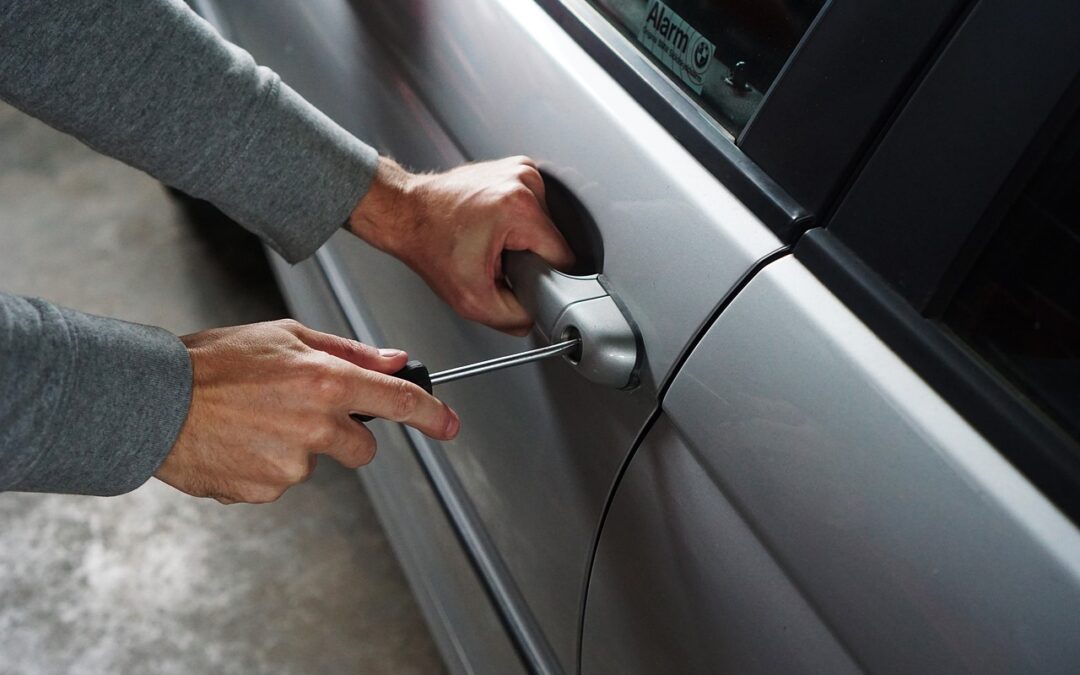
As we look back on 2025, QuestGates’ latest research explores the key factors behind a sizeable and very welcome 12.57% decrease in car thefts.
In-depth analysis of the Driver and Vehicle Licensing Agency (DVLA) lost or stolen (LoS) dataset for the first eight months of 2025, compared to the same period a year earlier reveals the headline stolen and recovered figures, the current most stolen makes and models, and regional hotspots.
Key findings include:
Table 1: Stolen and recovered cars in UK
| Jan-Aug 2024 | Jan-Aug 2025 | |
| Stolen | 43,937 | 38,413 |
| Recovered | 17,550 | 16,120 |
Table 2: Most stolen manufacturers
| Jan-Aug 2024 | Jan-Aug 2025 | |
| 1. | Ford | Ford |
| 2. | BMW | BMW |
| 3. | Land Rover | Toyota |
| 4. | Toyota | Land Rover |
| 5. | Mercedes-Benz |
Mercedes-Benz |
Source: QuestGates analysis of DVLA data
Philip Swift, Technical Director – Motor at QuestGates, said: “The double digit decrease in car thefts is clearly a major positive for policyholders and insurers alike. The Ford Fiesta was by far the most stolen model in both years, frequently targeted for parts due to their popularity. Overall, less of each body type were stolen with one exception; pick-up thefts were up 9.48%.”
“Claims involving cars recovered quickly, within seven days, are increasingly rare and the fact remains that 6 out of 10 stolen cars will probably never be seen again. While 1,430 less cars were successfully recovered, there was further good news in the percentage recovered increase, up 2.02%. Although the increase in recoveries is welcomed, what constitutes a recovered car appears subjective, with many being little more than a collection of parts or a shell – still a total loss for victim and insurer alike.”
“Geographically, the picture is complicated. In terms of numbers stolen, the large constabularies of London and the West Midlands achieved substantial decreases. In percentage terms, Gwent, Norfolk, Lincolnshire and Nottingham suffered large increases, while Cumbria, Wiltshire and Bedford police forces deserve to be congratulated for impressive 30%+ improvements.”
A key caveat is the unknown percentage of ‘takings’ involving fraud rather than theft, either against the policyholder or involving the policyholder. There is no distinction in the data, but some studies estimate that up to 30% of claims could be fraudulent in some way.