
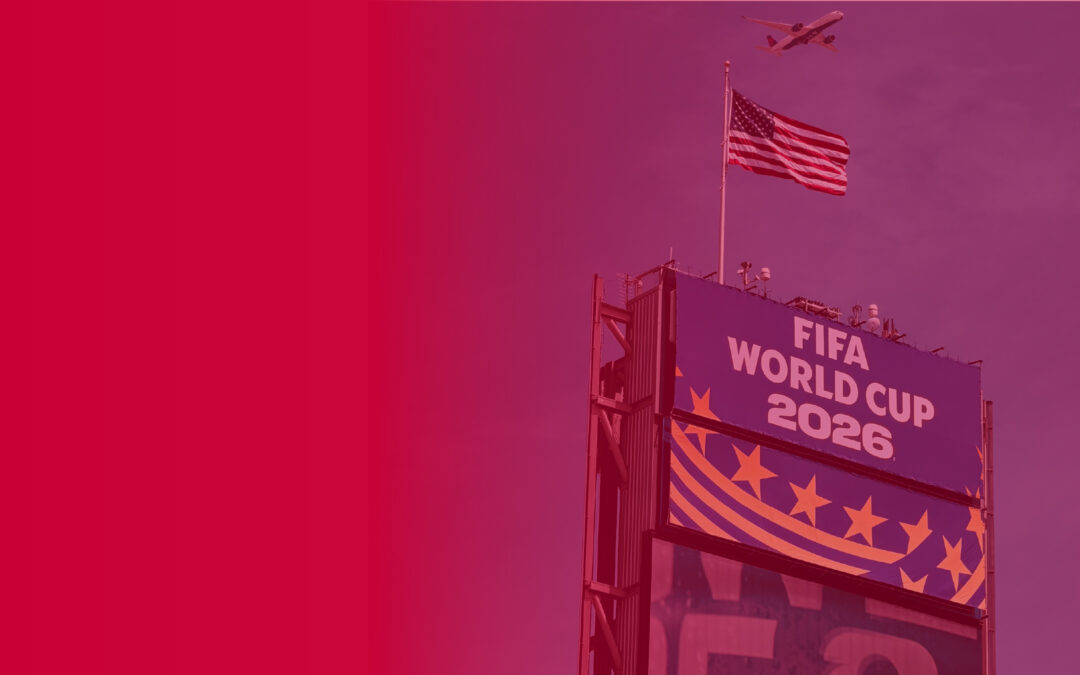
The 2026 FIFA World Cup is well underway across North America, and the excitement is palpable. With the tournament expanded to 48 teams, fans everywhere are glued to the action, whether they’re backing their country for a shot at glory, hoping to see established stars deliver career-defining performances, or watching the next big talent break through on the global stage.
The United States is shouldering the bulk of the hosting duties, with 11 of the 16 venues and around 78 of the 104 matches. That brings a unique American flavour to the event: passionate crowds, classic tailgating, enormous stadium atmospheres, and wall-to-wall media coverage.
Behind the scenes, insurance is quietly doing the heavy lifting, making sure the tournament can run smoothly and that there’s proper protection if things go wrong. This is shaping up to be the biggest World Cup ever: 48 teams, matches spread across 16 cities in three countries, record attendances already topping 65,000 on average, and millions of traveling fans. The sheer scale, combined with cross-border logistics, varied climates, America’s litigious legal environment, and today’s threat landscape, creates some very specific risks. Here are a number of areas where we expect claims could surface.
Cancellation Risks
FIFA and the local organising committees in the US, Canada, and Mexico will undoubtedly have arranged comprehensive event cancellation and contingency covers. This safeguards revenues, operational expenses, sponsor and broadcaster obligations (especially valuable given the huge US media rights deals), and ticket refunds for fans.</p>
Triggers for cancellation or postponement could include severe weather making venues unsafe, major travel disruptions, border issues for teams and supporters, strikes, terrorism, geopolitical problems, or a team unable to appear due to illness or force majeure.
In the US, the summer timing brings particular challenges: intense heat and humidity (especially in places like Miami, Houston, and Dallas), frequent thunderstorms and lightning delays, heavy downpours, flooding, high winds, and the chance of early tropical storms or hurricanes along the Gulf Coast and Florida. Climate patterns have made extreme heat more common in June and July. With a tight 39-day schedule and coordination required across three countries, any disruption could get complicated fast when it comes to claims and recovery.
Property Damage and Financial Losses
The tournament relies on major infrastructure such as iconic NFL-style stadiums (many with temporary soccer pitches installed), training grounds, fan zones, and hotels. These face the usual risks: storms, flooding, fire, wind damage, plus increased chances of vandalism, crowd-related damage, or protests in today’s charged social climate. Extreme heat can also take a toll on playing surfaces and temporary setups.
The threat of terrorism remains a concern too. In the US, the Terrorism Risk Insurance Act (TRIA) offers a federal backstop for certified events, which makes specialist coverage important. A security incident could lead to denial of access, evacuations, or lockdowns, hammering revenue from concessions – one of the big money-spinners at US venues.
As the schedule is so compressed, quick repairs or creative temporary solutions (new pitches, modular structures) to rectify any damage are often the smarter financial choice compared to full cancellation. But they still come with hefty upfront costs, and placing property insurance in high-risk US regions can be tricky.
Player Injuries
A major focus is always on players getting injured while on international duty. A Club Protection Programme helps clubs by covering temporary total disablement (usually after a 28-day qualifying period) from on or off pitch incidents, including training. Payouts are usually salary-linked, with caps per player and per team, which eases the burden on clubs when key players are sidelined.
Beyond straightforward accidents, there’s always the possibility of liability from challenges between players or claims against referees for alleged poor game management. In the US legal environment, these can lead to higher damages. Heat management protocols are in place (including Hydration breaks), but any questions around medical decisions or scheduling could invite extra claims and scrutiny.
Public, Employers’ and Product Liability
Crowds of 60,000–80,000+ passionate fans inside stadiums bring obvious risks: slips and trips, crowd control issues, medical emergencies (heat-related illnesses are a bigger worry in the hotter, more humid venues), and food and drink safety. Thorough risk assessments and emergency planning are non-negotiable.
Outside the stadiums, things get even more interesting. American-style tailgating in massive parking lots, complete with BBQs, alcohol, and high energy, creates extra exposures. Sports bars, restaurants, and city fan fests will see huge surges in business, bringing dram shop liability risks (liability for serving someone who then causes harm) alongside standard public liability.
Throw in different state laws across host cities and cross-border elements with Canada and Mexico and structuring the right liability cover becomes quite complex.
The 2026 World Cup is already delivering unforgettable moments, but behind the excitement lies a complex web of risks. Most of these exposures can be properly understood, reduced through good planning and operations, and sensibly transferred through well-designed insurance programmes that account for the jurisdictional complexities.
It’s a huge event with equally big responsibilities, and the insurance industry is doing its bit to make sure it can go ahead with confidence.
Authored by:
Stuart Lansdown, Director of Claims Management at QuestGates
Alex Whitaker, Director of Hyperion, part of the QuestGates group